Jump-start a dead battery safely
Check the jump-start instructions for your exact vehicle and power source before connecting anything. Battery location, connection points and starting procedure can differ.
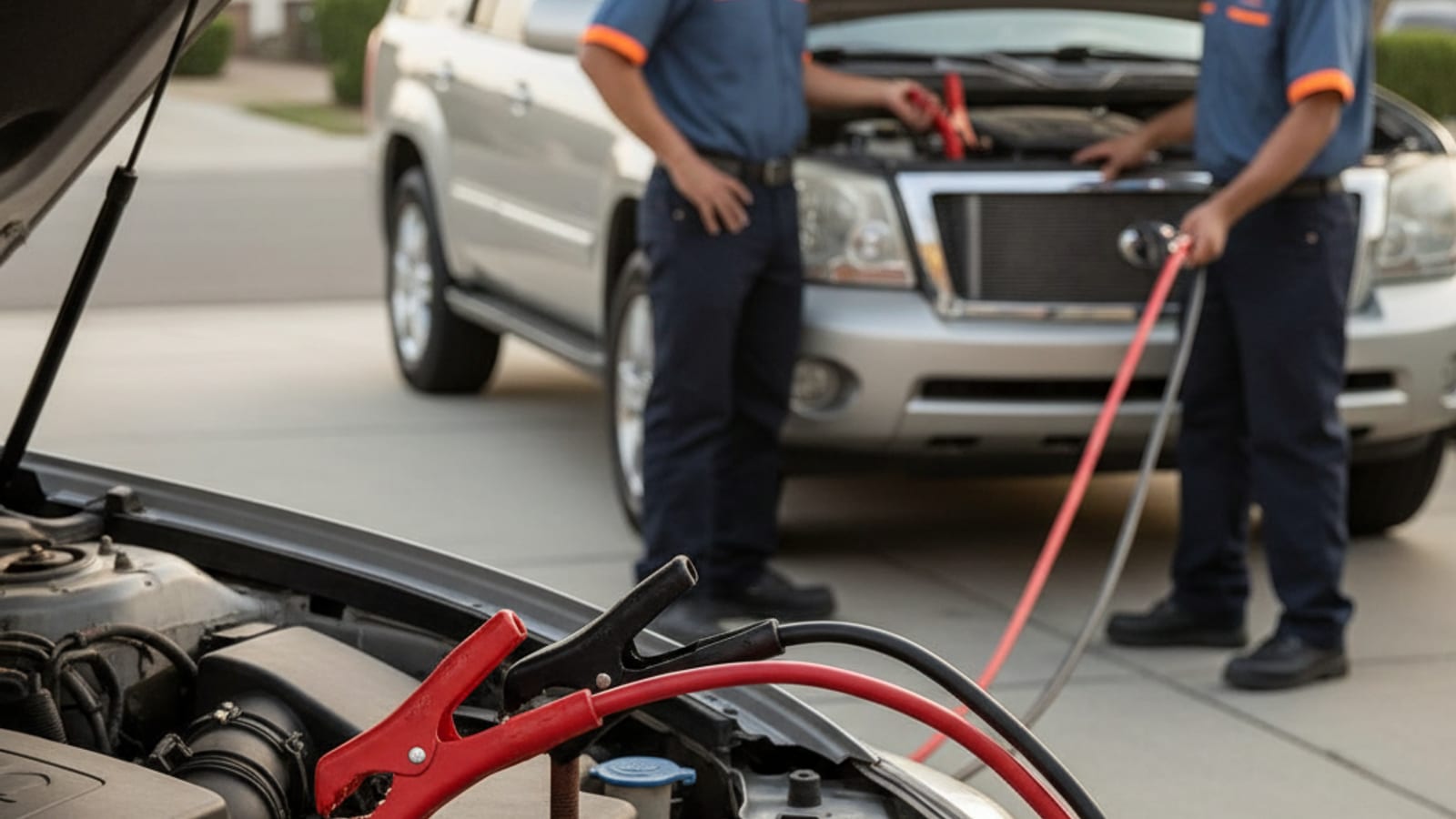
What you'll learn
- Where to find the approved jump points
- What to confirm before connecting a donor or booster
- What to report if the vehicle still will not start
Step by step
- First decide whether the location is safe to work in. If traffic or another hazard makes it unsafe, request assistance.
- Find the jump-start section of the vehicle manual and the instructions for the donor vehicle or booster pack. Confirm that the equipment and voltage are suitable.
- Identify the specified positive connection and ground point before attaching clamps. Do not choose an arbitrary metal part.
- Follow the specified connection, starting and disconnection sequence. Keep clamps and cables clear of moving parts.
- Stop if you cannot identify the connections or the battery appears damaged. Ask a qualified roadside provider for help.
- If the vehicle will not start or stalls again, describe exactly what happened. A technician must assess whether a jump, repair or tow is appropriate.
A successful jump does not diagnose the original fault. Confirm the next step with a technician if the problem returns.
Read the owner’s manual supplied with your vehicle. This Ford manual example illustrates why the specified connection points and sequence matter; it is not a procedure for every model.
Rather have a pro handle it?
Towing and roadside across Corpus Christi and the Coastal Bend. The line takes calls 24/7.
Keep learning.
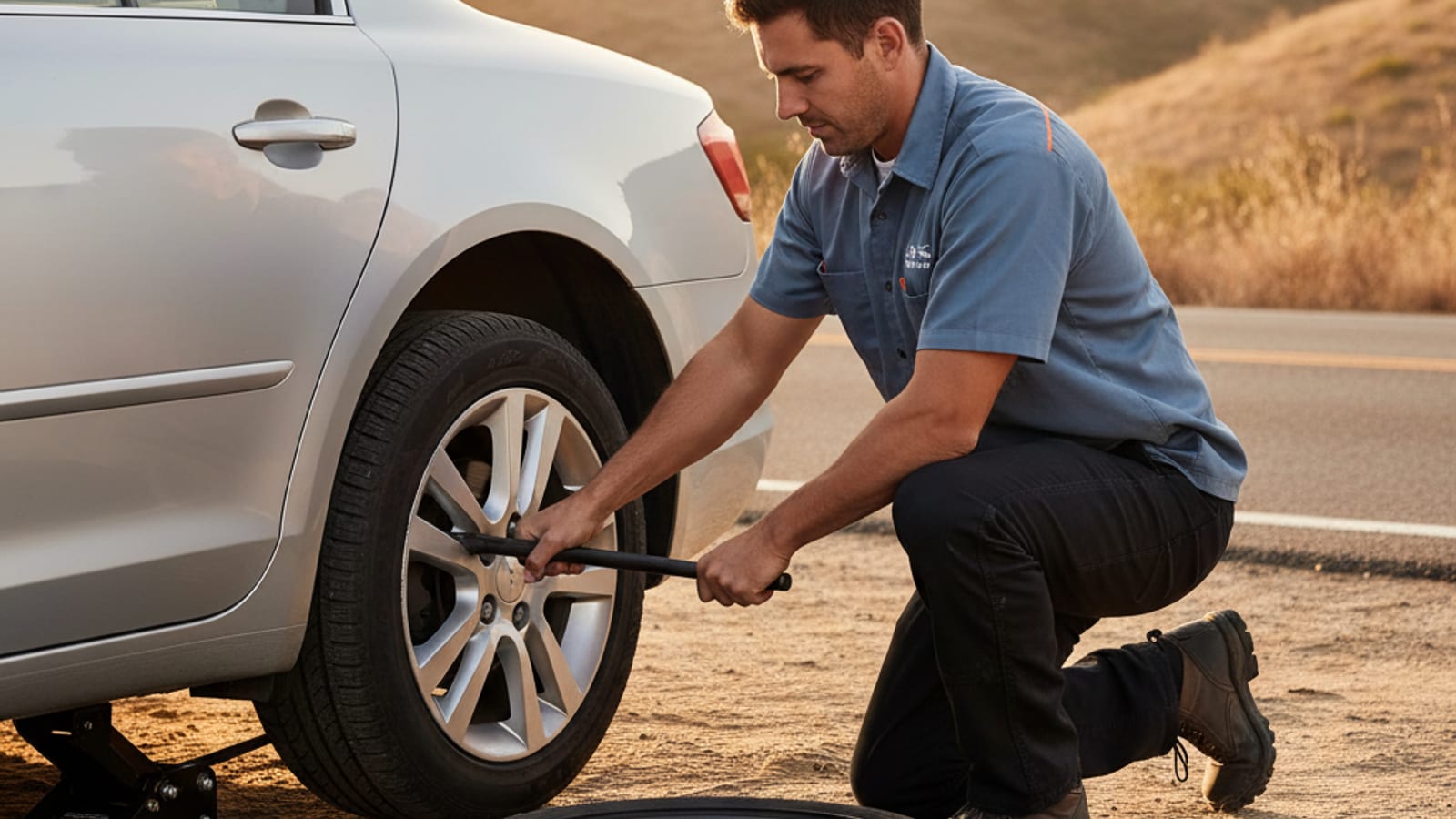
Change a flat tire on the side of the road
Only attempt a tire change where you can work safely, with a suitable spare, tools and the vehicle’s instructions. A narrow highway shoulder is a reason to request assistance.
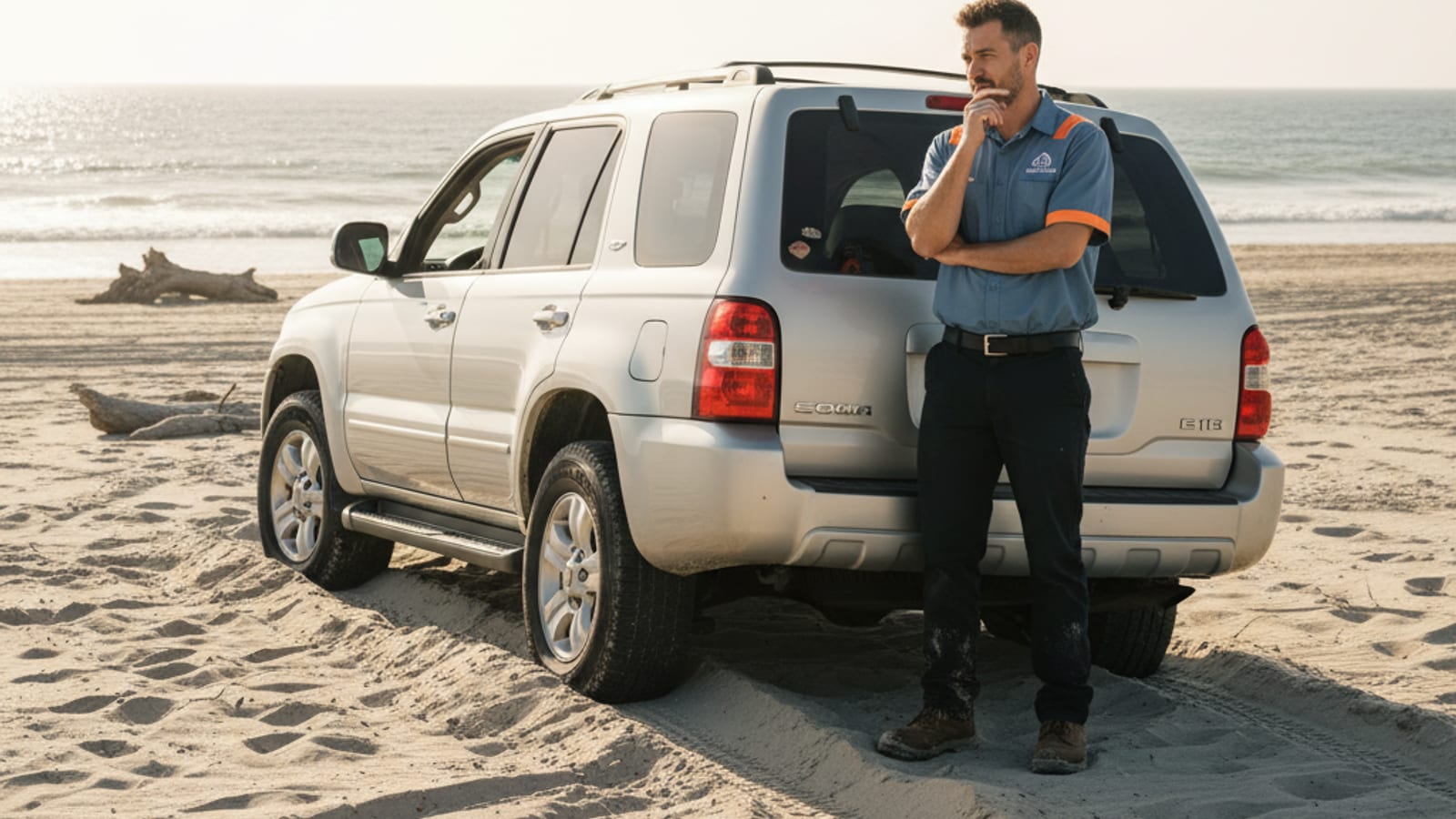
What to do when stuck in sand or mud
Stop trying to force the vehicle forward if the wheels are digging in. Before attempting a recovery, assess the tide, terrain, vehicle stability and everyone’s safety.
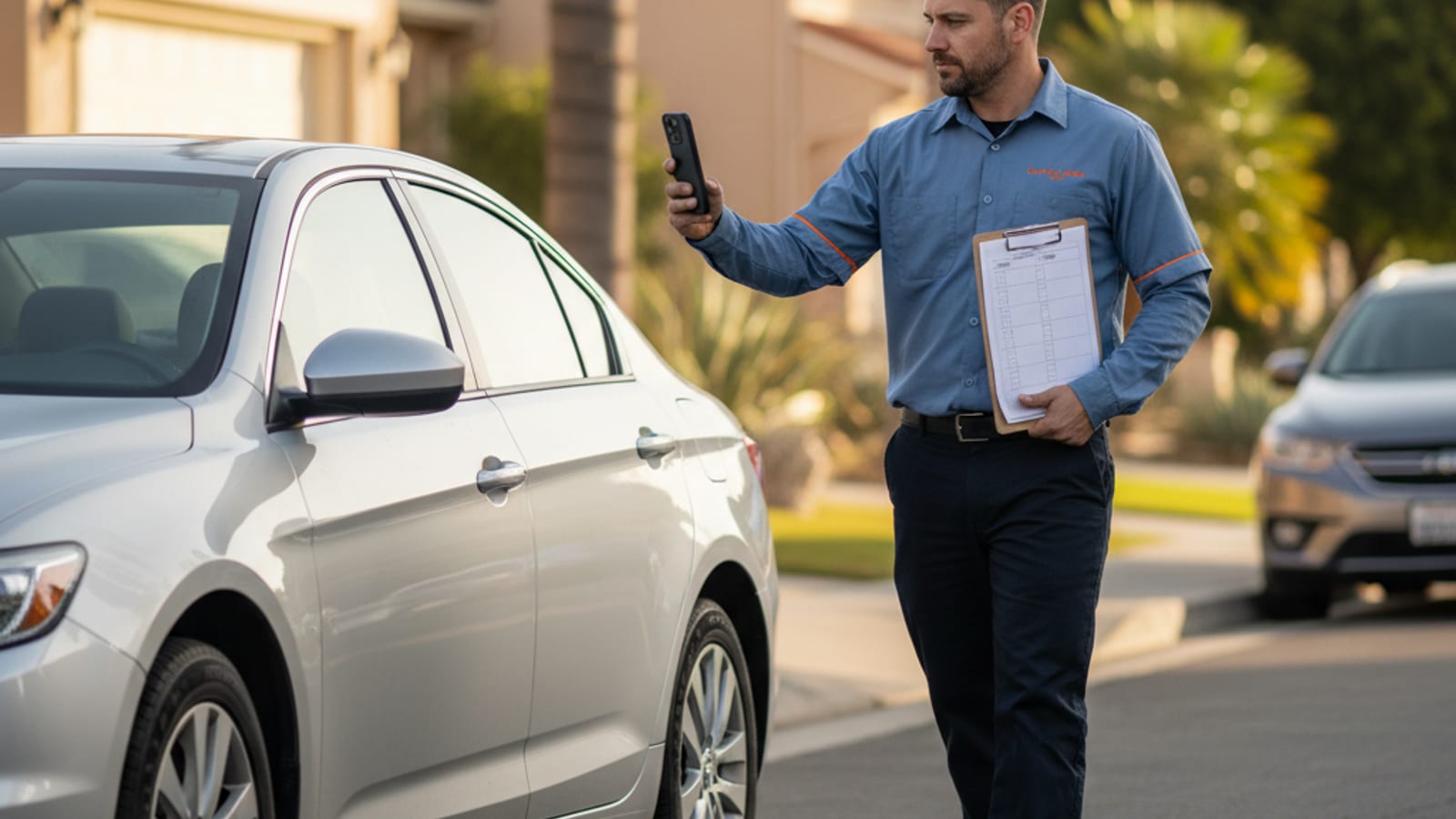
Prepare your vehicle for a tow
Prepare the details an operator needs and document the vehicle’s condition when it is safe to do so. Confirm the loading method and destination before the tow.